

I started making my own quick oats in the back of our school bus kitchen with a blender the size of a small milk jug and about six inches of counter space.
We had a big bag of old-fashioned oats and a recipe that called for quick oats. No town within 45 minutes. No store run happening. So I figured out a workaround, and honestly it changed how I stocked my pantry forever.
Turns out quick oats are just rolled oats that have been broken into smaller pieces. That is genuinely it. One ingredient, one tool, two minutes. And once you know how to make them yourself, you realize you never actually needed to buy two separate boxes of oats again.
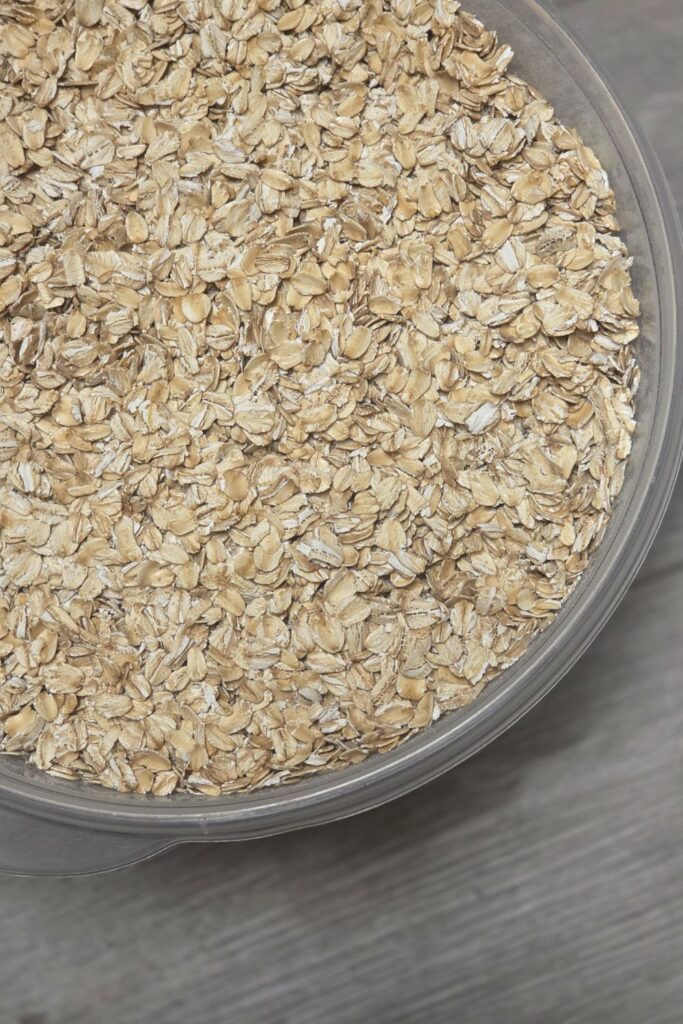
How to make quick oats in a nutshell: Add old-fashioned rolled oats to a blender or food processor and pulse 5 to 10 times until the oats are broken into smaller, thinner flakes. Do not over-blend or:you will end up with oat flour instead. That is the entire process; one ingredient, under two minutes, and you have quick oats ready for any recipe.
What Is the Difference Between Quick Oats and Old-Fashioned Oats?
This is the question worth actually answering because most posts just gloss over it.
All oats start as oat groats (the whole grain kernel). From there, they get processed differently depending on the type.
Steel-cut oats are oat groats that have been chopped into pieces with a blade. They are the least processed, have the chewiest texture, and take 20 to 30 minutes to cook. Great flavor, but not fast.
Old-fashioned rolled oats are oat groats that have been steamed and then pressed flat with rollers. They cook in about 5 minutes and hold their shape well in baking. This is what you are starting with when you make quick oats at home.
Quick oats are old-fashioned rolled oats that have been run through the roller a second time, or chopped into smaller pieces, so they cook faster. The texture is softer and they absorb liquid more quickly. They cook in about 1 to 2 minutes.
Instant oats are a step further. Pre-cooked, dried, and very finely processed. They dissolve almost immediately in hot water. Homemade quick oats are not the same as instant oats, but they are close enough for most recipes.
The nutritional profile across all four types is essentially the same. The difference is texture and cook time, not nutrition.
Why Make Quick Oats Instead of Buying Them?
A few real reasons this is worth doing:
You probably already have old-fashioned oats. If you keep rolled oats in your pantry, you are one blender pulse away from quick oats whenever a recipe calls for them. No extra box, no extra shelf space, no running to the store.
It saves money. A large bag of old-fashioned rolled oats is almost always cheaper per ounce than quick oats. When you make your own, you are getting more for less.
Less packaging. One bag of rolled oats covers both uses. If you are trying to reduce what you bring in and throw out, this is a small but easy win.
Better for off-grid and on-the-road cooking. When we were living out of a school bus, I did not want to stock two different types of oats. One bag, two uses. That kind of simplicity adds up when your pantry is a cabinet above the wheel well.
How to Make Quick Oats at Home (Step by Step)
What you Need:
- A blender or food processor (I use this one on the road)
- Old-fashioned rolled oats (this is the bag I use)
Instructions:
- Add old-fashioned rolled oats to your blender or food processor. Any amount works, make as much or as little as you need.
- Pulse 5 to 10 times. You are looking for smaller, thinner flakes that still have some texture. They should look noticeably broken down compared to rolled oats but not powdery.
- Check the texture. If they still look mostly whole, pulse a few more times. If they are starting to look like flour, you went too far. Those are now oat flour, which is a different thing entirely (and also useful… here’s how I use it).
- Pour into an airtight jar or container.
That is genuinely the whole process. Two minutes start to finish.
A note on batch size: I usually process 2 to 4 cups at a time and store it in a labeled jar next to my rolled oats. It takes the same amount of time as making a single cup and then it is ready whenever I need it.
What to Make With Homemade Quick Oats
Once you have a jar of these ready, here is where they actually earn their place in the pantry:
Oatmeal in under 2 minutes. Quick oats cook fast with hot water or hot milk, which makes them genuinely useful on a camp stove or in a van kitchen where you are not trying to babysit a pot for 20 minutes. My homemade instant oatmeal recipe uses them as the base.
Energy bites and no-bake bars. Quick oats absorb the binding ingredients better than rolled oats in no-bake recipes. My no-bake energy balls come together faster and hold together better with quick oats than with old-fashioned.
Baking. Cookies, muffins, and quick breads all work with quick oats. The texture in the finished bake is softer and more uniform than with rolled oats. My oatmeal chocolate chip cookie mix is built around quick oats specifically.
Smoothies. A tablespoon blended in adds fiber and thickness without changing the flavor much.
Thickening soups and stews. A small handful stirred into a simmering soup will thicken it without any starchy taste.
How to Store Homemade Quick Oats Long-Term
The way you store your quick oats depends on how long you need them to last and where you are keeping them. Here is what actually works.
For everyday pantry storage (up to 6 months): A mason jar with a vacuum-sealed lid is my go-to. I use a handheld vacuum sealer to pull the air out of the jar after filling it. This keeps moisture and oxygen out, which is what causes oats to go stale. A mason jar that has been properly vacuum sealed in a cool, dark pantry will keep your quick oats fresh for up to 6 months without any issues. Label the jar with the date so you are always rotating your oldest stock first.
For travel and on-the-road storage (up to 1 year): When we are moving around, I use mylar bags instead of glass jars because they are lightweight, flexible, and do not shatter if something shifts in the rig. Seal the bag completely and store it somewhere cool and dark. Mylar blocks light and moisture far better than a zip-lock bag and holds up well in a moving vehicle where glass is just a liability.
For long-term deep pantry storage (up to 25+ years): Add oxygen absorbers to your mylar bags before sealing. Oxygen is what causes food to oxidize and go rancid over time. Absorbers pull the remaining oxygen out of the bag after sealing, which dramatically extends shelf life. For oats sealed in mylar with an oxygen absorber in a cool environment, you are looking at decades of shelf life, not months. If you have a Harvest Right freeze dryer, oats freeze dry beautifully and can go straight into mylar bags with absorbers for the longest storage possible.
The biggest thing to watch for across all methods is moisture. One drop of water in a jar or bag can ruin the whole batch. Make sure your oats are completely dry before sealing and that whatever container you are using is clean and fully dry too.
If you’re building the kind of pantry that goes with you wherever you go, I put together a free guide on exactly that. It’s called the From-Scratch Pantry Starter Guide, grab it below.
Frequently Asked Questions About Quick Oats
Can I make quick oats from steel-cut oats? Not directly. Steel-cut oats are too dense and coarse to pulse into quick oats. You would need to cook them first and then dry them out, which is not worth the effort. Start with old-fashioned rolled oats.
Are homemade quick oats the same as instant oats? Similar but not identical. Instant oats are pre-cooked and more finely processed, which is why they dissolve almost completely in hot water. Homemade quick oats still have some texture. For most recipes they are interchangeable, but if a recipe specifically needs instant oats for a very smooth result, homemade quick oats will be close but slightly thicker.
Do quick oats have less fiber than rolled oats? No. The nutritional content is essentially the same across old-fashioned oats, quick oats, and even instant oats. The processing changes the texture and cook time, not the fiber, protein, or vitamin content.
Can I use quick oats and rolled oats interchangeably in recipes? For most recipes, yes. The texture difference is the main thing to consider. Quick oats give a softer, more uniform result in baked goods. Rolled oats give more chew and visible oat texture. In overnight oats or granola, rolled oats usually work better. In cookies, muffins, or energy bites, either works.
Are homemade quick oats gluten-free? Oats are naturally gluten-free, but they are often processed in facilities that also handle wheat. If you need certified gluten-free oats, look for a bag that is specifically labeled that way and use those as your starting point.
How long do homemade quick oats last? Up to 6 months in an airtight container at room temperature, and up to a year in the freezer.
CONCLUSION
There is something satisfying about realizing half the things you buy separately at the store are the same ingredient in different forms.
Quick oats are just rolled oats with a few extra pulses. Powdered sugar is just regular sugar in a blender. Cornmeal is just dried corn that has been ground down. Once you start seeing the pantry this way, you stop running out of things and start making do with what is already there.
That is the skill that actually travels with you. Not a specific recipe or a certain brand of oats. Just the ability to look at what you have and figure out what it can become.
If that is the way you want to cook, you are my kind of person.
With love and adventure,
Mindy
Do you keep a jar of quick oats ready to go, or are you a rolled oats only household? Drop a comment below and tell me. I am genuinely curious what people use them for most.

Homemade Quick Oats
If you love oatmeal but don’t always have time for the long cooking process of old-fashioned rolled oats, homemade quick oats are the perfect solution.
Ingredients
- 1 cup old-fashioned rolled oats
Instructions
- Add old-fashioned rolled oats to a blender or food processor.
- Pulse 5 to 10 times until oats are broken into smaller, thinner flakes.
- Check texture. They should look noticeably smaller than rolled oats but not powdery. Pulse a few more times if needed.
- Pour into an airtight jar or container and store in a cool, dry pantry.
Notes
- Do not over-blend or you will make oat flour instead of quick oats. Both are useful, just different.
- Make in larger batches and store for up to 6 months in an airtight container.
- Works in any recipe calling for quick oats: oatmeal, energy bites, cookies, muffins, smoothies.
- For longer storage, freeze in a sealed jar for up to 1 year.