

I already told you about turning rolled oats into quick oats with a few pulses of a blender. Oat flour is the same idea, just taken a little further. Instead of stopping at broken flakes, you keep going until it’s a fine powder.
One bag of rolled oats now covers three things in my pantry: oatmeal, quick oats, and flour. That’s the whole reason I started making this instead of buying a separate bag of it, one less specialty item taking up space for something my regular oats already handle.
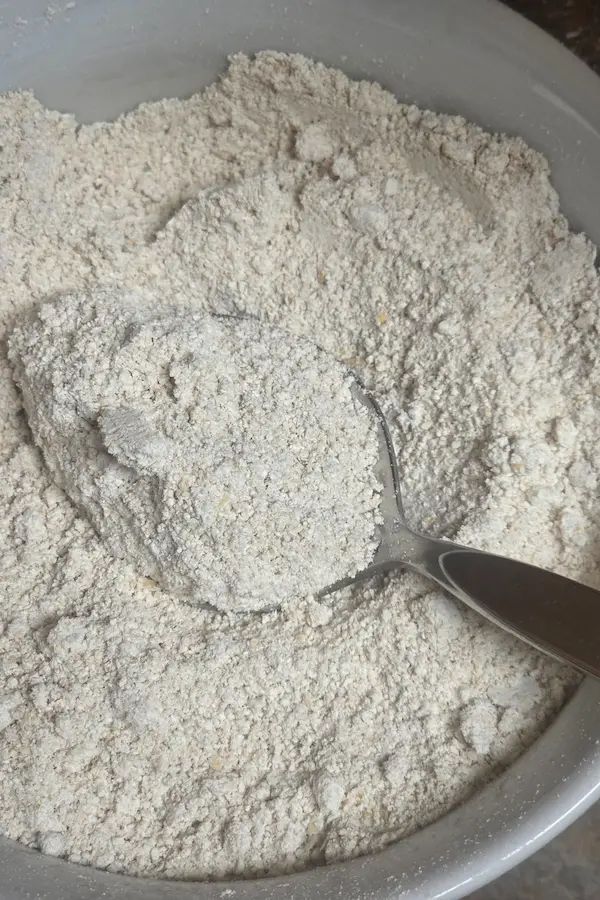
Homemade oat flour in a nutshell: Blend rolled oats in a blender or food processor until they turn into a fine powder, 1 to 2 minutes depending on your blender. One cup of oats makes about one cup of flour. Store it airtight and it’s ready for baking, thickening, or adding to smoothies.
What You Actually Need to Know Before Baking With It
This is the part most recipes for making oat flour skip entirely, and it’s the part that actually matters if you’re planning to bake with it.
Oat flour is not a 1-for-1 swap for regular flour. It has no gluten, which means it won’t give baked goods the same structure on its own. Recipes that work well with oat flour usually include eggs or another binder to make up the difference. Swapping straight oat flour into a recipe built for wheat flour, cup for cup, often falls apart or comes out dense.
Best approach: use recipes actually developed for oat flour, not a straight swap into your usual recipes. It works beautifully in pancakes, muffins, cookies, and quick breads that are built around it from the start.
Measure by weight if you can. Oat flour is lighter and fluffier than wheat flour, so a cup-for-cup measurement by volume isn’t as reliable as measuring by weight. If a recipe gives weights, use them.
How to Make It
Ingredients:
- 1 cup old-fashioned rolled oats, certified gluten-free if that matters to you.
Instructions:
- Add the oats to a blender or food processor.
- Blend for 1 to 2 minutes, pausing every 20 to 30 seconds to shake or stir. This keeps everything grinding evenly and stops your blender from overheating on a long continuous run.
- Check the texture. It’s done when it’s a fine, even powder with no visible oat pieces left.
- Store in an airtight container.
A note on equipment: a high-powered blender gets you closer to store-bought texture than a standard food processor will. Either works, a food processor just takes a little longer and may leave a slightly coarser result. Both are fine for most baking.
How Much Does This Make?
1 cup of rolled oats makes roughly 1 cup of oat flour, sometimes just under, depending on how finely you grind it. If a recipe calls for a specific amount, start with slightly more oats than the flour amount you need, you’ll rarely come up short that way.
Storage
- Pantry, airtight container: up to 3 months
- Freezer: 6 to 8 months
- Keep it somewhere dry, oat flour absorbs moisture easily and can clump or go stale faster than whole oats do
If you like the idea of one pantry staple doing the work of three, I put together a free guide on building a pantry exactly that way. It’s called the From-Scratch Pantry Starter Guide, grab it below.
Frequently Asked Questions
Can I use quick oats instead of old-fashioned rolled oats? Yes, both work well. Steel-cut oats don’t blend down as evenly and are better cooked first if you want to use them this way.
Is oat flour gluten-free? Yes, as long as you start with certified gluten-free oats. Regular oats are often processed in facilities that also handle wheat, so cross-contamination is possible if that matters for your diet.
Do I need to sift it? Not required, but sifting gets you a smoother result for delicate baking like cakes. For muffins, cookies, or thickening, skip it.
Can I substitute oat flour 1-for-1 in any recipe that calls for flour? No, and this is the biggest misconception out there. Oat flour has no gluten, so recipes need a binder like egg to hold together properly. Look for recipes actually built around oat flour rather than swapping it into a standard flour recipe.
How long does it last? Up to 3 months in the pantry, 6 to 8 months in the freezer, stored airtight.
What to Make With It
- Pancakes and waffles
- Muffins and quick breads
- Cookies, especially oatmeal-based ones
- Added to smoothies for thickness and fiber
- Thickening soups the same way a small handful of quick oats does
Final Thoughts
This is one of those recipes that isn’t really about the flour. It’s about not needing five different bags in the pantry when one does the job. Oats become oatmeal, quick oats, or flour, all from the same bag, depending on what the day calls for.
With love and adventure,
Mindy
📌Pin For Later
Homemade Oat Flour
Homemade oat flour made from one ingredient, ready in under 2 minutes, no specialty bag required.
Ingredients
- 1 Cup Old Fashioned Rolled Oats
Instructions
- Add the oats to a blender or food processor.
- Blend 1 to 2 minutes, pausing to shake or stir every 20 to 30 seconds.
- Blend until it forms a fine, even powder with no oat pieces remaining.
- Store in an airtight container.
Notes
Nutrition Information:
Yield: 1 Serving Size: 1Amount Per Serving: Calories: 151Total Fat: 3gSaturated Fat: 1gUnsaturated Fat: 2gSodium: 2mgCarbohydrates: 28gFiber: 4gSugar: 0gProtein: 5g