

My spice cabinet is probably the simplest one you’ll ever see. When I visit other people’s houses, they usually have a whole cupboard dedicated to spices, dozens of little jars, half of them expired, most of them used once and forgotten. Mine isn’t like that, and it’s not because I don’t care about flavor. It’s because I learned that a handful of core seasonings can build almost any flavor profile you want, once you know how to combine them.
This burger seasoning is one of the first blends that taught me that. I made it originally just for burgers, but it didn’t stay that way for long.
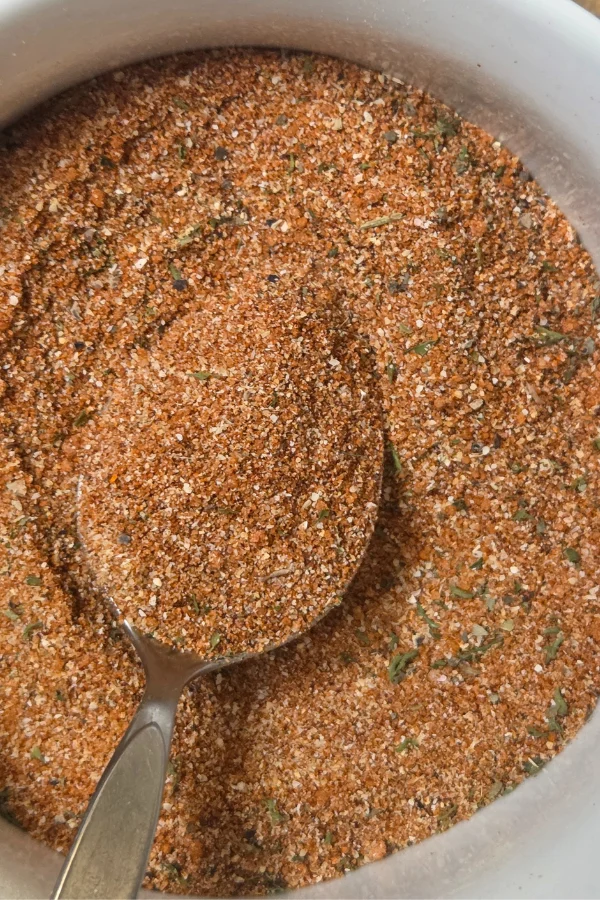
Homemade burger seasoning in a nutshell: Mix salt, paprika, garlic powder, cumin, black pepper, dried basil, dried parsley, chili powder, onion powder, and dry mustard. Use about 1 tablespoon per pound of meat, rubbed onto the outside of formed patties rather than mixed in. Stores 6 months in an airtight container.
Why I Make This Instead of Buying a Packet
Most store-bought seasoning blends include anticaking agents to keep them flowing freely on a shelf for years. That’s not a huge deal in small amounts, but once you realize how easy it is to make your own, buying a jar for something you can mix in five minutes starts to feel unnecessary.
There’s also a real cost difference. A store-bought seasoning blend runs a few dollars for a small jar. This batch costs a fraction of that using spices you probably already have, and it makes enough to season several pounds of meat before you need to mix more.
Ingredients I Make From Scratch (and Why)
A few of the ingredients in this blend are ones I make myself rather than buy, and it’s worth explaining why, since it changes the flavor more than you’d expect.
Salt: I’ve done a fair amount of reading on this, and the salt I reach for now is Baja Gold Sea Salt. It carries natural minerals that plain table salt doesn’t, and I’ve noticed it actually helps with hydration, since mineral-rich salt helps your body hold onto the water you drink instead of flushing straight through.
Garlic powder and onion powder: I no longer buy either of these. With a dehydrator or a freeze dryer, both are simple to make at home, and the flavor difference is noticeable, homemade versions taste like actual garlic and onion instead of the faint dust that store-bought powder turns into after months on a shelf. If you want to make your own, here are my garlic powder and onion powder recipes.
Paprika, basil, and parsley: these can all be made at home too, dry the fresh pepper or herb in a dehydrator or freeze dryer and grind once fully dry. Not required to make this recipe work, but worth knowing if you’re building out a from-scratch spice cabinet of your own.
The Recipe
Ingredients:
- 1/4 cup salt
- 2 tablespoons paprika
- 2 tablespoons garlic powder
- 1/2 tablespoon cumin
- 1/2 tablespoon black pepper
- 1/2 tablespoon dried basil
- 1 1/2 tablespoons dried parsley
- 1 teaspoon chili powder
- 1 teaspoon onion powder
- 1 teaspoon dry mustard
Instructions:
- Combine all ingredients in a bowl, or add them directly to a jar.
- Whisk, or seal the jar and shake, until fully combined.
- Store in an airtight container.
That’s the entire process, genuinely one of the simplest recipes on this site.
How Much to Use (and How to Use It)
This is the part most seasoning recipes skip, and it’s the part that actually matters once you’re standing at the counter with a pound of ground beef.
Use about 1 tablespoon of seasoning per pound of meat. Start there and adjust to taste on your next batch once you know how strong you like it.
Rub it onto the outside of formed patties rather than mixing it into the meat. This was something I learned after a bit of trial and error, working seasoning all the way through ground beef can compact it and make the finished burger denser and drier than it needs to be. A light, even coating on the outside of each patty gives you the flavor without working the meat itself.
Where Else to Use This
I made this originally with burgers in mind, but it’s become one of the most-used jars in my spice cabinet for a lot more than that:
- Steaks
- Meatloaf
- Meatballs
- Chicken
- Fajitas
- Chili
- Roasted vegetables, if you want a smoky, savory edge on something like potatoes or carrots
Don’t be afraid to try it somewhere unexpected. Half the reason I still reach for this jar is that I keep finding new places it works.
Storage
Store in an airtight container in a cool, dry place. Kept sealed, it stays at full flavor for about 6 months.
If you want to batch a larger amount and save it for longer, portion it into a mason jar or mylar bag and seal it with an oxygen absorber to extend freshness further. Making a bigger batch upfront also means you’re not stopping to remix a small jar every couple of weeks, one five-minute session covers you for months.
If you want to keep building out a from-scratch spice cabinet like this one without the overwhelm, I put together a free guide for exactly that. It’s called the From-Scratch Pantry Starter Guide, grab it below.
Frequently Asked Questions
Can I make this without a dehydrator for the garlic and onion powder? Yes, store-bought garlic and onion powder work fine in this blend. Making your own just gets you a stronger, fresher flavor if you want to take it further.
Is this seasoning spicy? Not particularly, the chili powder adds warmth rather than real heat. If you want more kick, add a pinch of cayenne pepper or crushed red pepper flakes to your batch.
Can I use this on more than beef? Yes, it works well on chicken, turkey, pork, and even vegetables. It’s genuinely one of the most versatile blends I keep on hand.
Does this seasoning have MSG or fillers in it? No, it’s just the ten spices listed above, nothing added to bulk it out or keep it shelf-stable longer than it naturally would be.
Can I double or triple the batch? Yes, it scales directly. If you cook burgers often, doubling or tripling the recipe means you’re not remixing a fresh batch every few weeks.
More Homemade Seasonings Worth Keeping on Hand
If this one earns a spot in your spice cabinet, these are a few more I keep in steady rotation:
Conclusion
A simple spice cabinet doesn’t mean boring food, it just means the flavor comes from how you combine a few real ingredients instead of how many jars you own. This blend is proof of that. Five minutes, ten spices, and a jar that outlasts a dozen burger nights.
If you make a batch, let me know what you end up putting it on. I’m always curious where people take it beyond burgers.
With love and adventure,
Mindy
📌Pin For Later
Homemade Burger Seasoning
My go-to seasoning for burgers, steaks, meatballs, meatloaf, chicken, and more. Versatile, easy to make, and stores for months.
Ingredients
- 1/4 Cup Salt
- 2 Tbsp Paprika
- 2 Tbsp garlic Powder
- 1/2 Tbsp Cumin
- 1/2 Tbsp Black Pepper
- 1/2 Tbsp Dried Basil
- 1 1/2 Tbsp Dried Parsley
- 1 Tsp Chili Powder
- 1 Tsp Onion Powder
- 1 Tsp Dry Mustard
Instructions
- Combine all ingredients in a bowl or jar.
- Whisk or shake until fully combined.
- Store in an airtight container.
Notes
- Use about 1 tablespoon per pound of meat. Rub onto the outside of patties rather than mixing into the meat to avoid a dense, dry texture.
- Great on steaks, meatloaf, meatballs, chicken, fajitas, and chili.
- Stored airtight in a cool, dry place, keeps for about 6 months.
- Scales cleanly, double or triple for a bigger batch.
Nutrition Information:
Yield: 12 Serving Size: 1Amount Per Serving: Calories: 23Total Fat: 1gSaturated Fat: 0gUnsaturated Fat: 1gSodium: 2024mgCarbohydrates: 5gFiber: 2gSugar: 0gProtein: 1g