

Have you ever reached for brown sugar mid-recipe and found a rock-solid clump that could double as a paperweight? That used to happen to me constantly.
When we started cooking off-grid more often, I stopped wanting a pantry full of things I’d bought “just in case” and rarely used before they went hard or stale. Brown sugar was one of the worst offenders. So I stopped buying it entirely.
Two ingredients, five minutes, and I have soft, fresh brown sugar exactly when I need it, no more half-used bag turning into a brick in the back of the cabinet.
⬇️Pin this recipe ⬇️
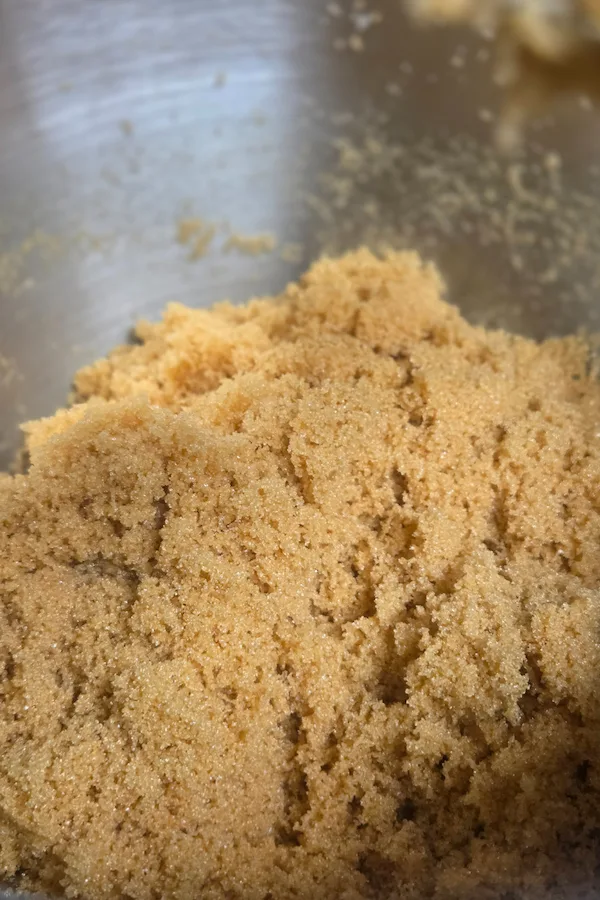
Homemade brown sugar in a nutshell: Mix 1 cup granulated sugar with 1 tablespoon molasses for light brown sugar, or 2 tablespoons for dark. Stir or blend until evenly combined and soft. That’s the entire recipe, and it stores for months.
Why Stop Buying It At All
Most people learn this trick as an emergency fix, you’re mid-recipe, you’re out, you don’t want to drive to the store. That’s a fine reason to know it, but it’s not really why I make it this way now.
Brown sugar in a bag is a single-use item taking up pantry space for something you could make from two ingredients you’re probably already keeping anyway. If you bake occasionally, that bag goes hard before you use it all. If you’re working with limited pantry space, renting, or moving often, one less specialty item is one less thing to store, track, and eventually toss when it clumps.
Making it fresh each time also means you decide exactly how strong the molasses flavor is, something a bag on a shelf never lets you do.
The Recipe
Ingredients
- 1 cup granulated white sugar
- 1 tablespoon molasses (light brown sugar) or 2 tablespoons (dark brown sugar)
Instructions
- Add the sugar and molasses to a bowl.
- Mix with a fork, whisk, or stand mixer until evenly combined and soft, no streaks or clumps of molasses left.
- Transfer to an airtight container or jar.
That’s genuinely the whole process. If you’re using a stand mixer, stop partway through and scrape the sides, molasses tends to build up there and won’t fully incorporate otherwise. No mixer works fine too, just knead it with your hands until it’s evenly colored throughout.
On the molasses: stick with unsulphured molasses for the classic flavor. Blackstrap is much stronger and more bitter, worth avoiding unless that’s specifically what you’re after.
Storage
- Airtight container, cool and dark: keeps moisture out and prevents clumping, lasts several months at full quality
- Vacuum-sealed in small portions: extends shelf life to a year or more in good conditions
- If it hardens anyway: tuck a slice of bread or a damp paper towel into the container for 24 hours, it’ll pull the moisture back in and soften right back up
If you want the full breakdown on keeping brown sugar soft long-term, including a few tricks beyond what’s here, I have a whole post dedicated to storing brown sugar properly.
If you like the idea of a pantry with fewer single-use grocery items and more things you can make fresh as you need them, I put together a free guide on building exactly that. It’s called the From-Scratch Pantry Starter Guide, grab it below.
Frequently Asked Questions
How long does it last? In an airtight jar, several months at full quality. Vacuum-sealed, over a year in good storage conditions.
Can I use coconut sugar instead of white sugar? Yes, though the flavor will lean a little different. White sugar with molasses gets you closest to the classic brown sugar taste and texture.
Will it clump over time? It can if it’s exposed to air repeatedly. Keep it sealed, and a terra cotta sugar saver or an occasional slice of bread in the jar helps keep it soft long-term.
Can I make a bigger batch? Yes, the ratio scales directly, just keep 1 tablespoon of molasses per cup of sugar for light, or 2 tablespoons per cup for dark, however much you’re making.
Can I substitute maple syrup or honey for the molasses? You can, but it won’t technically be brown sugar anymore, more of a brown sugar-adjacent substitute. The flavor and texture will be noticeably different, still useful in a pinch, just don’t expect it to behave identically in baking.
Ways to Use It
- Baking cookies, cakes, and quick breads
- Sweetening oatmeal or porridge
- BBQ sauces and marinades
- Stirred into coffee or tea
- Sprinkled over roasted carrots or sweet potatoes before roasting
Final Thoughts
This isn’t a flashy recipe, but it’s one of those small things that adds up. One less bag in the pantry, one less thing to go stale, one less trip when you’re out. If this one earns a spot in your routine, homemade powdered sugar is the same idea applied to another sugar you probably don’t need to keep buying either.
With love and adventure,
Mindy
📌Pin for Later


Homemade Brown Sugar
Homemade brown sugar made from two pantry staples, no store trip, no rock-hard clumps, ready in under 5 minutes.
Ingredients
- 1 cup Granulated Sugar
- 1 Tbsp Molasses (light brown sugar), or 2 tbsp (dark brown sugar)
Instructions
- Add the sugar and molasses to a mixing bowl.
- Mix with a fork, hand mixer, or stand mixer until evenly combined and soft, no molasses streaks remaining.
- Transfer to an airtight container or jar for storage.
Notes
- Using a stand mixer: stop and scrape the sides partway through, molasses builds up there and won't fully incorporate otherwise.
- No mixer needed, kneading by hand works just as well.
- It's done when the color is even throughout with no visible chunks of molasses.
- Scales directly, double or triple as needed, keep the same ratio of molasses to sugar.
Nutrition Information:
Yield: 1 Serving Size: 1Amount Per Serving: Calories: 999Sodium: 2mgCarbohydrates: 251gSugar: 252g
I love how simple and easy this recipe is!
This is great to know and this way I can choose real organic cane sugar and pure organic sugar cane molasses. No worrying what weird things are in it, like GMOs or pesticides. Thanks so much for sharing!
100% This is why I started creating my pantry from scratch!
I’ve never tried this before. Thanks for sharing!
Of Course! Happy to Share!